

Introduction
Dress shoes complete every formal outfit and add structure to a person’s overall appearance. Selecting the right pair depends on design, fit, material, and the occasion. So, this guide explains how to choose dress shoes that meet comfort, style, and durability needs. With clear steps and thoughtful choices, it becomes easier to select a pair that works well for both professional and personal use.
Understanding Dress Shoes:
Dress differs from casual footwear in shape and detail. They are made with smoother Dress Shoes materials and polished finishes that suit formal occasions.
However, can knowing the types of dress shoes helps narrow down the best option. Each type serves a purpose, and the right choice enhances both confidence and appearance.
Types of Dress Shoes:
Dress shoes come in different forms, each suited for a certain occasion.
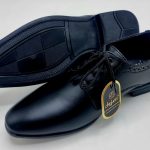
- Oxford Shoes: These have a closed lacing system and smooth finish. They are perfect for formal meetings or ceremonies.
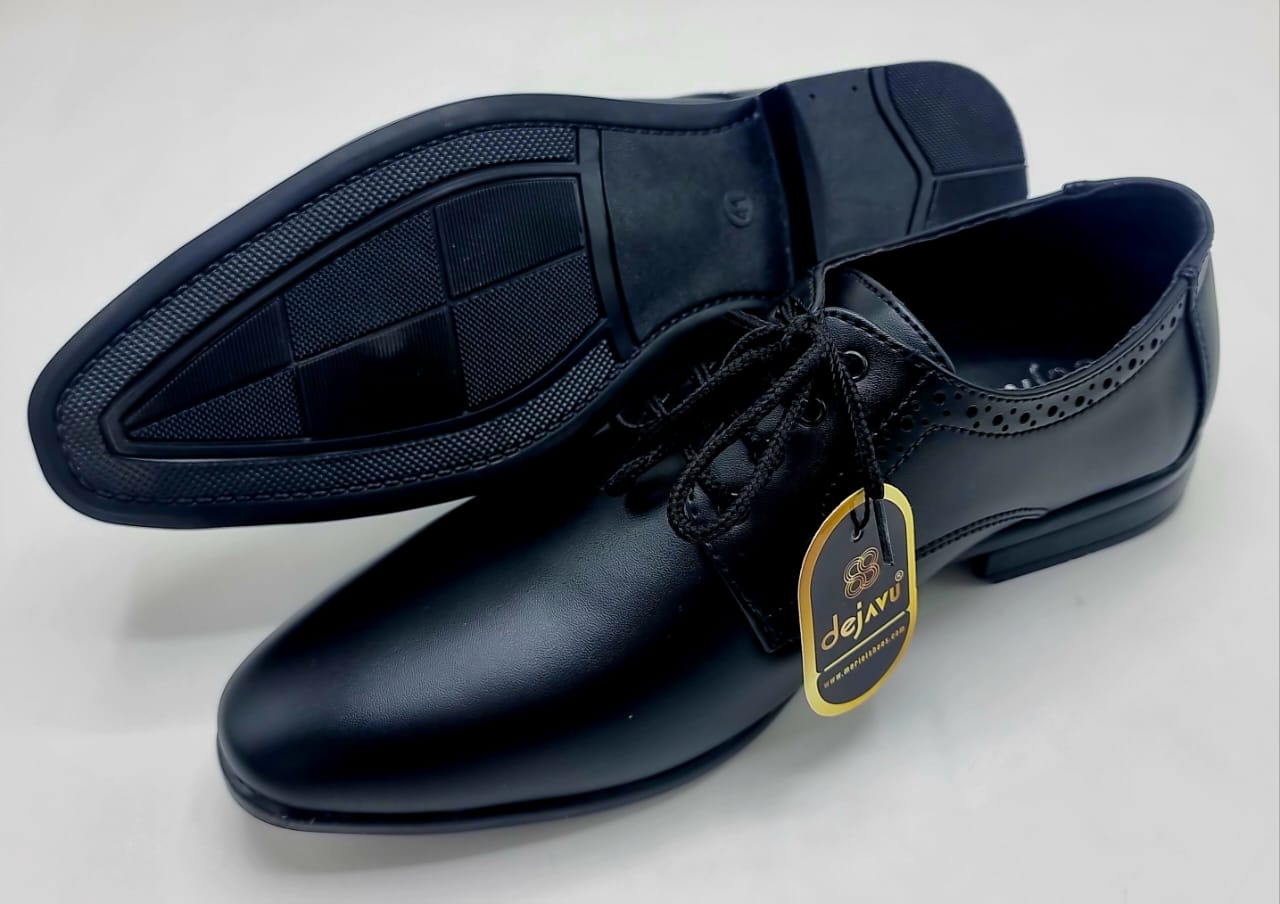
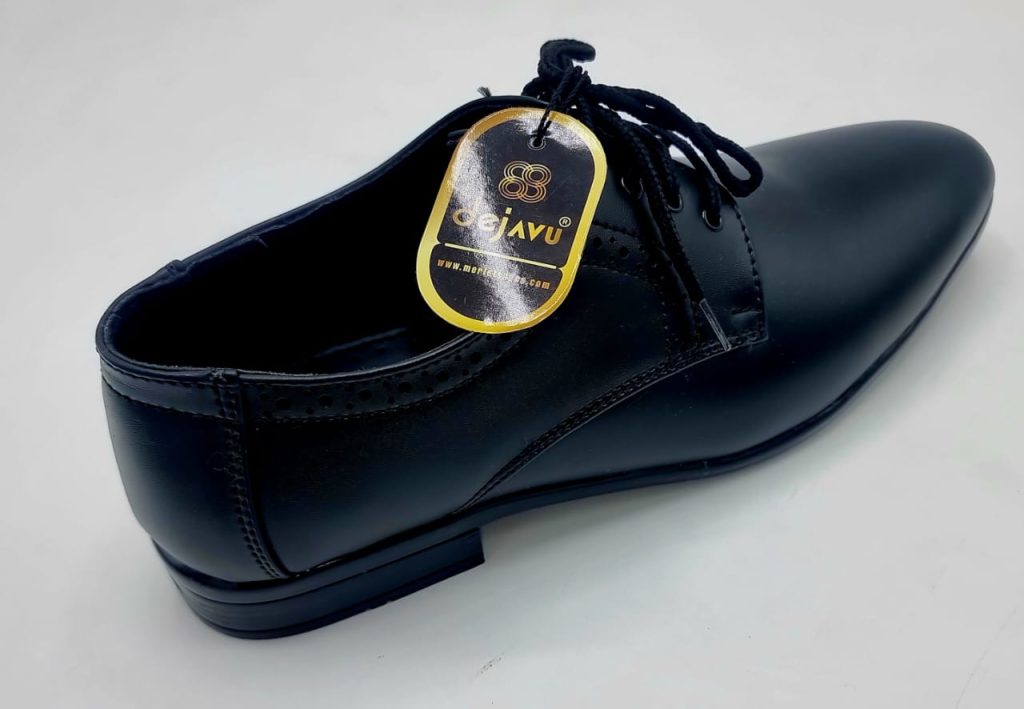
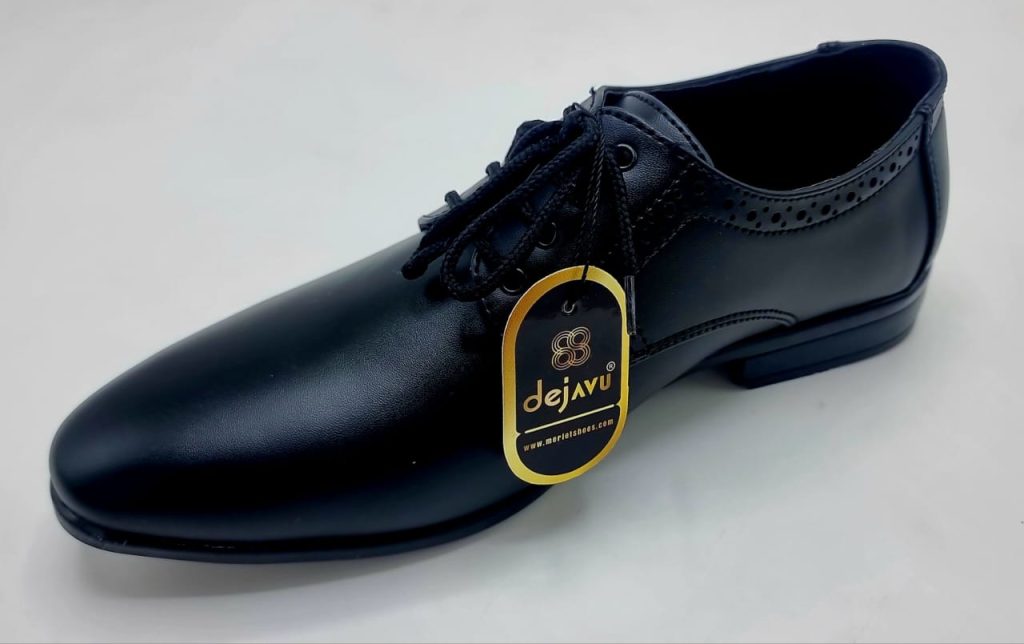
- Derby Shoes: With open lacing, they offer a slightly relaxed fit while keeping a formal tone.
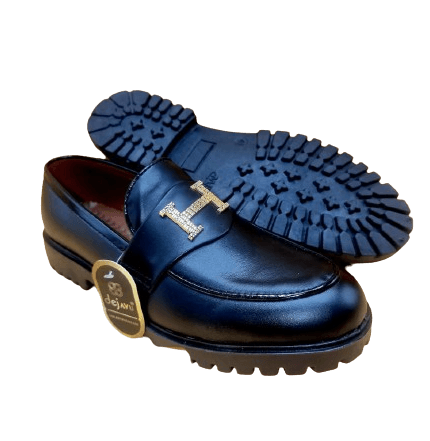
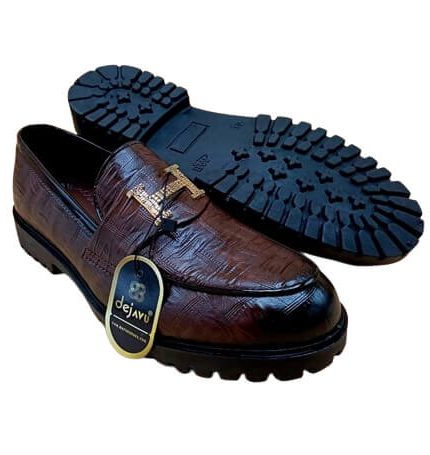
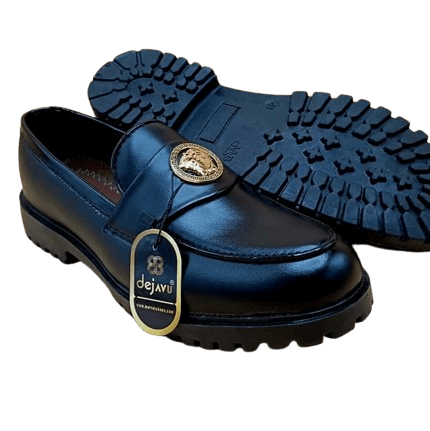
- Loafers: Slip-on in design, they are practical for office or semi-formal gatherings.
- Monk Strap Shoes: Featuring one or two straps instead of laces, how they add a distinctive touch.
Each type allows smooth transition between professional and social settings when matched correctly with the outfit
Choosing the Right Fit:
The fit of a dress shoe determines its comfort and long-term use. A good pair should support the arch and heel without feeling tight. So, trying shoes in the afternoon helps, as feet slightly expand during the day. Walking a few steps while testing the pair also helps check comfort. Shoes that fit properly prevent strain and maintain posture throughout the day.
Material and Quality:
Material plays a major role in both comfort and appearance. Leather remains the most common choice for dress shoes. It adjusts to foot shape over time and offers long-lasting wear. Suede and synthetic options provide lighter alternatives for mild weather.
Stitching, sole strength, and lining quality all contribute to durability. By checking these details ensures that the shoes last longer and stay comfortable.
Matching Shoes with Outfits:
Selecting the right color and style depends on the outfit.
Black dress shoes match dark suits and are ideal for formal events.
Brown shoes pair well with lighter suits or office wear.
Tan or oxblood shades give variety for daytime or semi-formal occasions. A well-coordinated pair completes the outfit and gives a balanced look. Choosing simple designs allows the shoes to match multiple outfits easily.
Conclusion:
Selecting the right dress shoes involves understanding type, fit, material, and care. The right pair supports comfort, complements clothing, and lasts longer. Whether for work, so, events, or daily wear, thoughtful selection ensures balance between function and style. Because with proper attention to detail, dress shoes become a lasting part of a well-dressed appearance.