
Introduction
Dress shoes are an essential part of every man’s wardrobe. They not only complete a formal outfit but also help create a neat and confident look. By choosing the right pair, Dress Shoes, depends on comfort, fit, and the event. So, this guide explains how to select the best dress shoes for both business and formal occasions while keeping balance between style and function.
Understanding Dress Shoes:
Dress shoes differ from casual shoes because they are made with a smoother finish and cleaner design. Their structure offers better support for long hours so, while maintaining a sharp appearance. Knowing the types of dress shoes helps in choosing the right one for the right setting.
Types of Dress Shoes:
There are several types of dress shoes, each suitable for specific occasions:
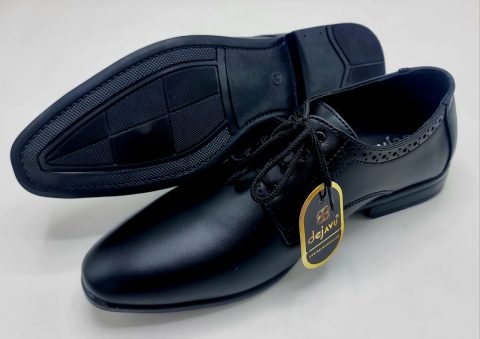
- Oxford Shoes: These are ideal for formal meetings or evening events. Their closed lacing gives a refined and tidy look.
- Derby Shoes: With open lacing, they provide a slightly relaxed fit suitable for daily office wear.
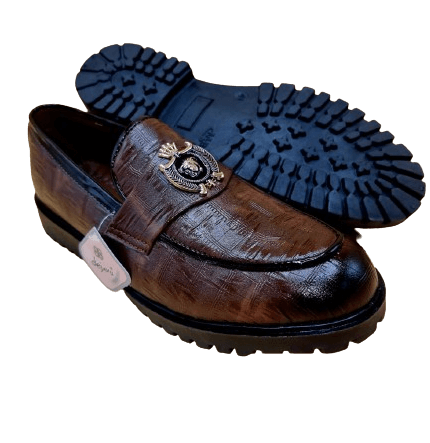
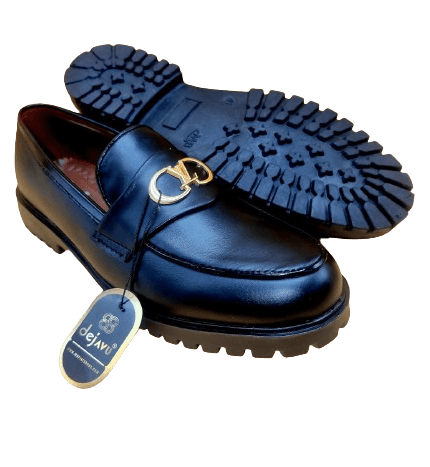
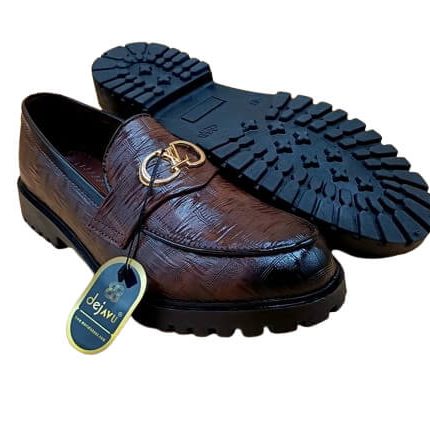
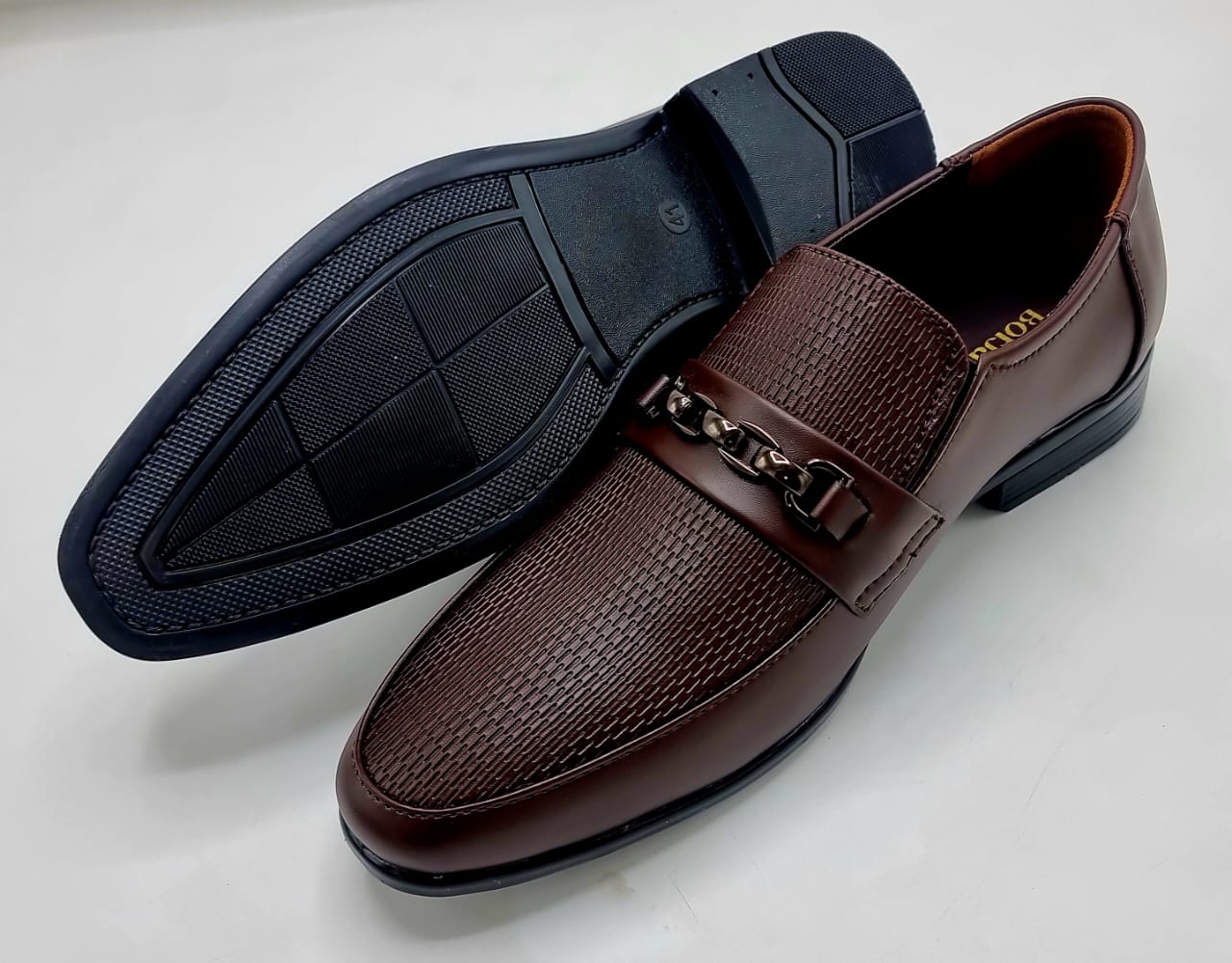
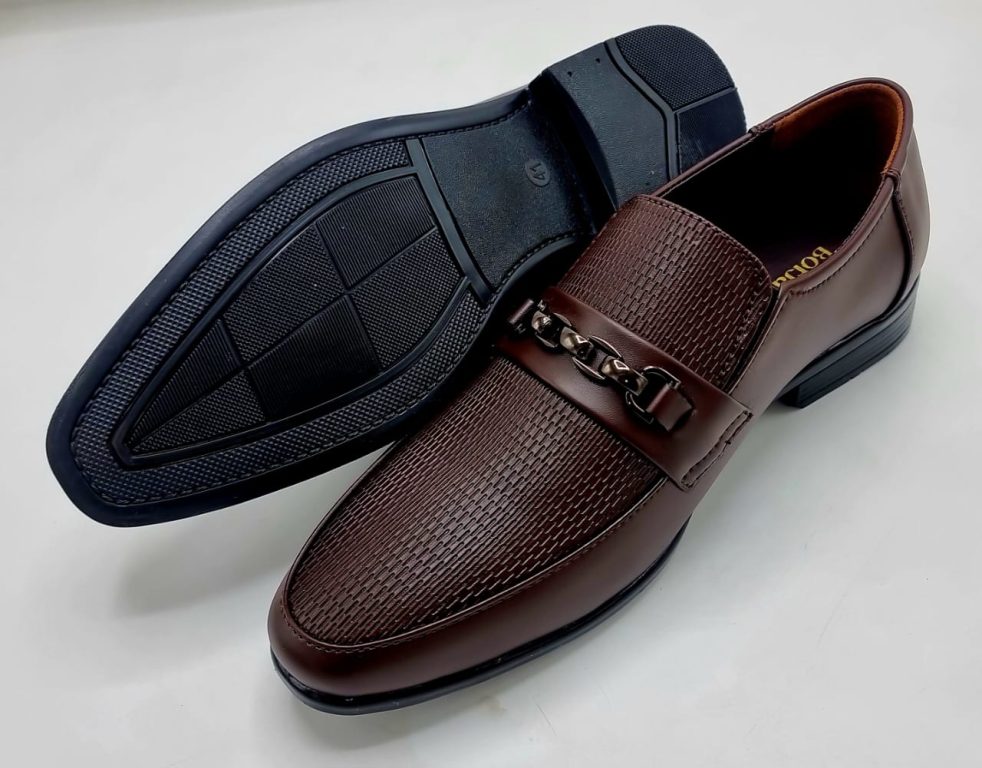
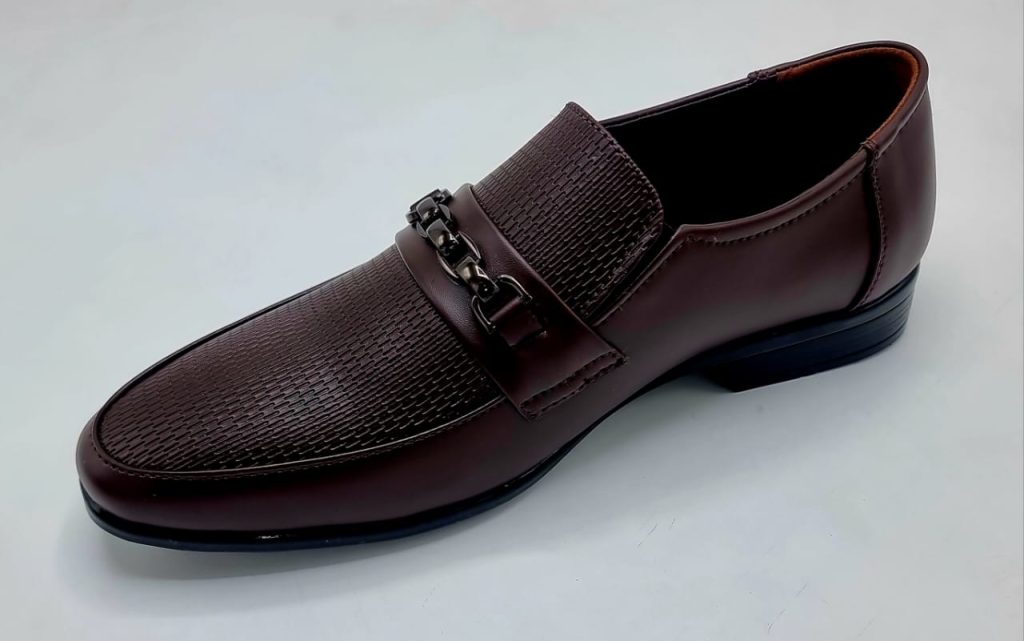
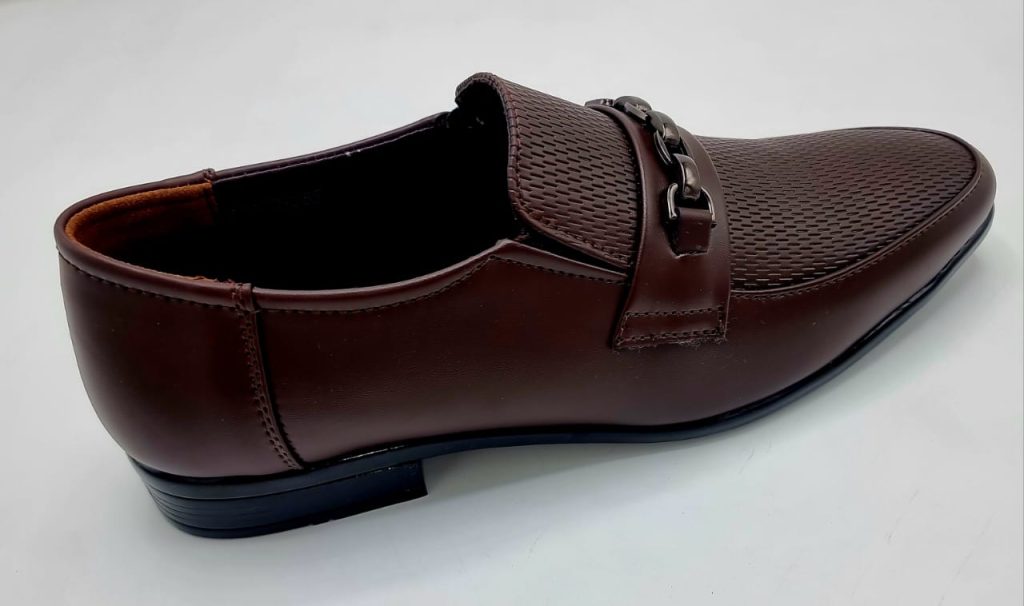
- Loafers: Easy to wear and remove, loafers work well for semi-formal and business settings.
- Monk Strap Shoes: Featuring a buckle design, they add a distinct yet simple touch to a professional outfit.
Choosing the Right Fit:
Fit is the most important factor when buying dress shoes. Shoes should feel comfortable at the heel and around the arch. Trying both shoes and walking for a few steps helps check balance and ease. A well-fitted shoe supports posture and reduces strain during long hours at work or formal gatherings.
Deciding the Right Material:
The material of the shoe affects comfort and durability. Leather remains the most preferred choice because it adjusts to foot shape over time. Suede and synthetic materials also work well for lighter use. Strong stitching and a firm sole increase support, while soft lining improves comfort. Checking these details ensures that the dress shoes last longer and maintain their shape.
Color and Outfit Match:
The color of dress shoes should match the clothing and the occasion.
- Black shoes are suitable for formal events and dark suits.
- Brown shoes go well with light or grey suits.
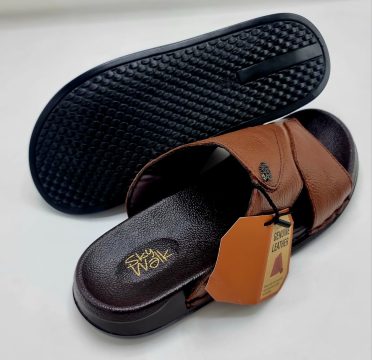
- Tan shades fit casual business looks.
Matching the right color with the outfit creates balance and maintains a polished look.
Conclusion:
Selecting the best dress shoes involves attention to fit, design, and care. A comfortable and well-matched pair enhances appearance and ensures confidence in any setting. Whether for business meetings or formal events, the right dress shoes help maintain a strong and professional impression every time.